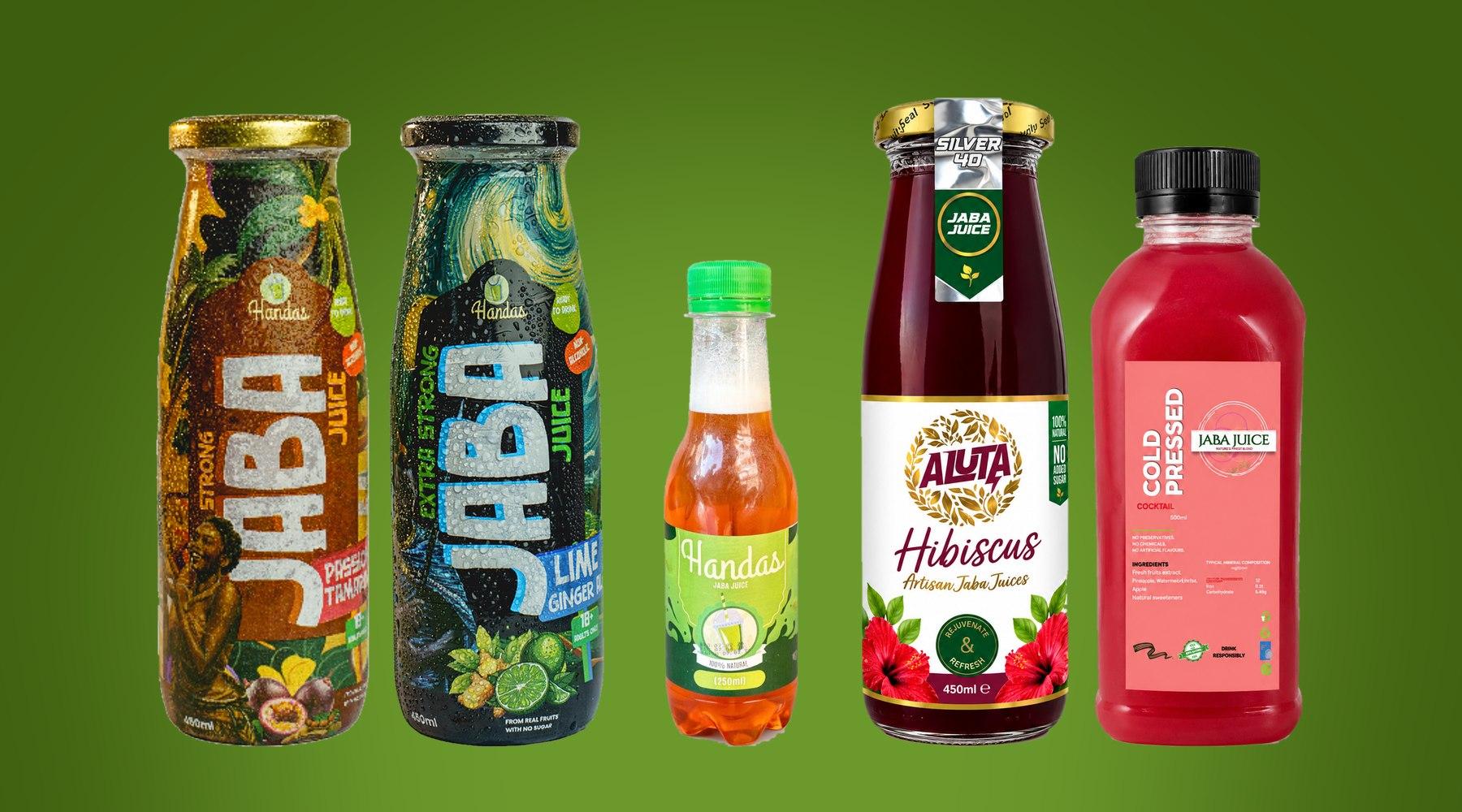
From leaf to bottle
How fresh miraa becomes a bottled drink, and why freshness matters more than almost anything else.
4 minute read3 sections
01
Grown in the Nyambene Hills
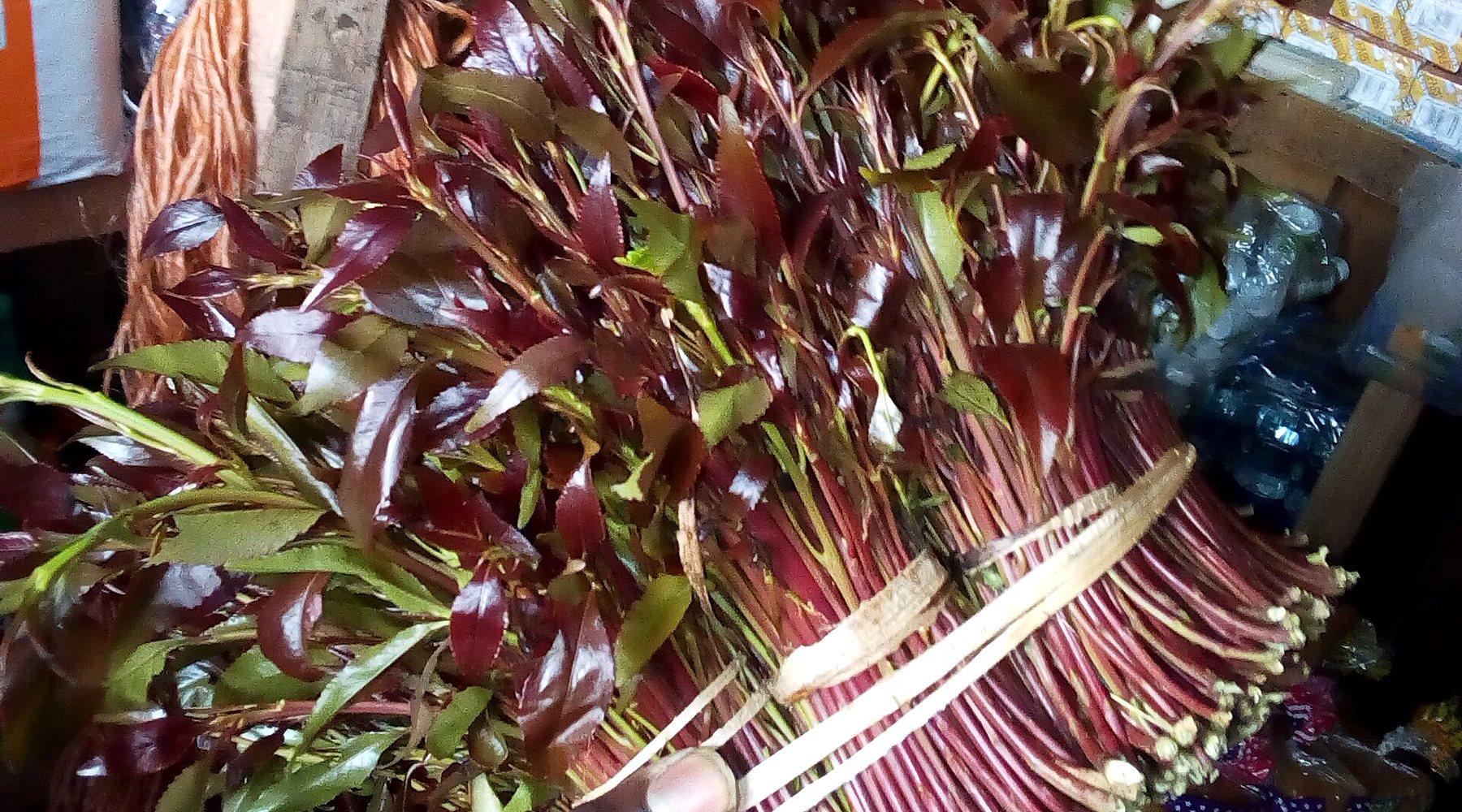
Most Kenyan miraa is grown in the Nyambene Hills of Meru County, where it has been cultivated for generations. The tender young shoots and leaves are the most prized part of the plant.
Harvested stems are bundled by hand, wrapped to keep them moist and sent to market the same day.
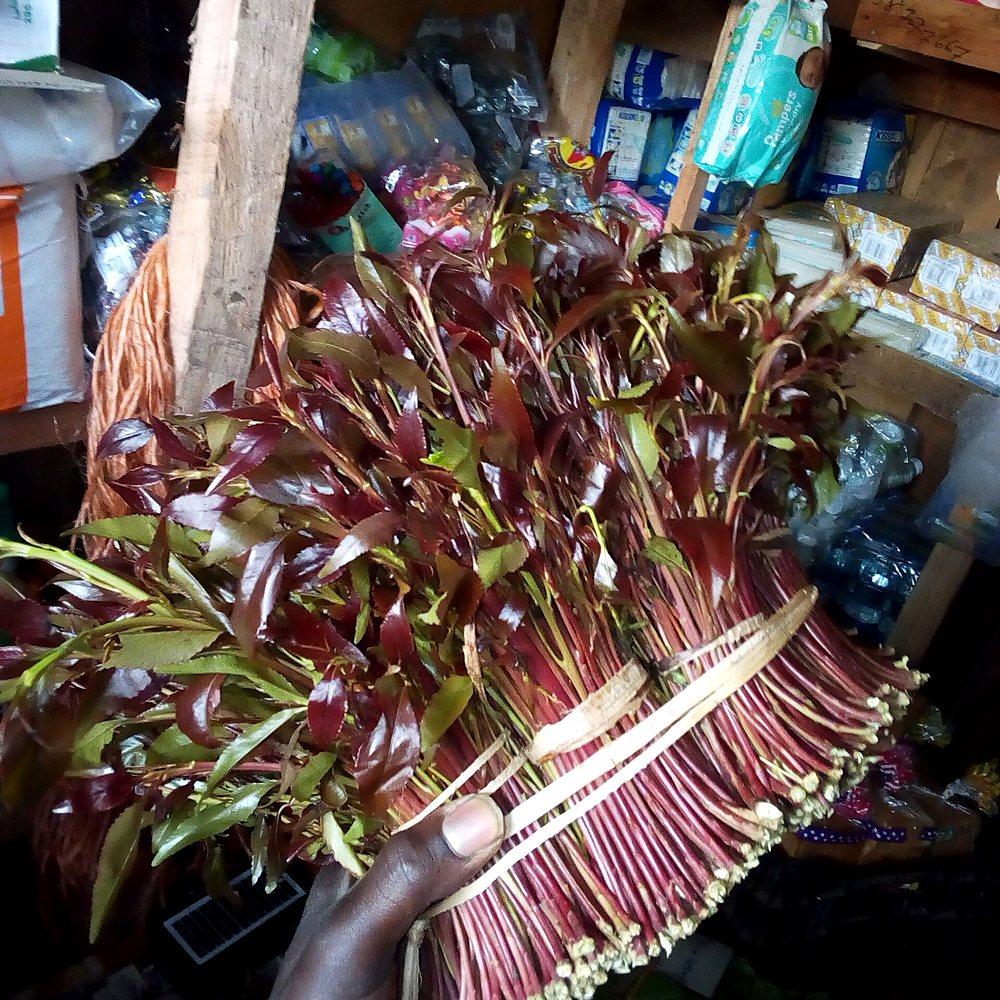 At market
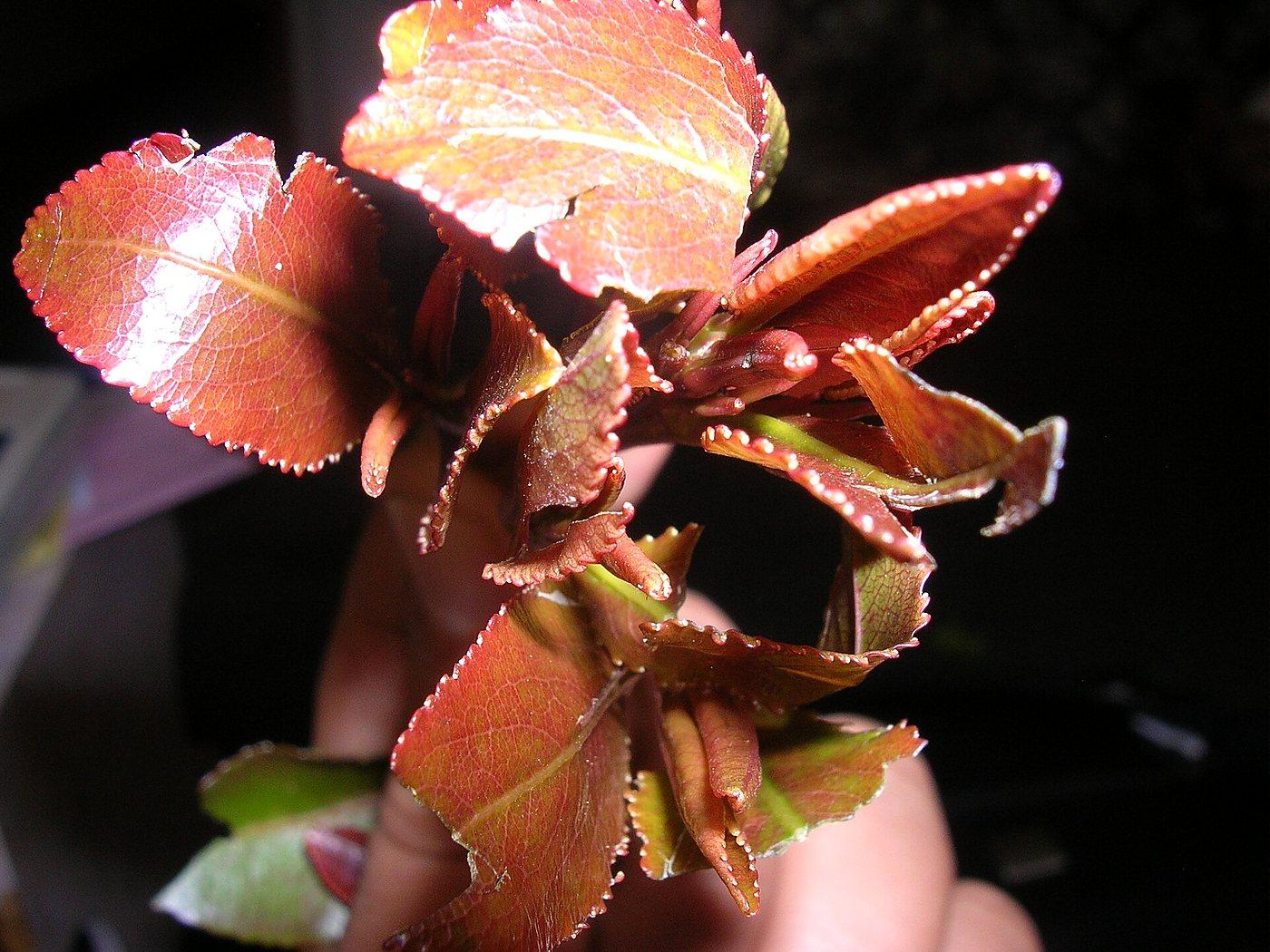 Up close
02
Why freshness matters
The main active compound in fresh khat is cathinone. It is naturally unstable and begins converting to the milder compound cathine within a day or two of harvest. This is why producers work quickly and why a well made jaba juice depends on a fast route from farm to press.
Cathinone
The main active compound in freshly picked leaves
Begins within a day or two of harvest
Cathine
A milder compound it gradually becomes
03
Extraction and blending
Producers extract the leaf using pressing or steeping methods, then filter the extract and blend it with juice, tea or a flavoured base. Methods vary by brand and most keep their exact process private.
The result is bottled and kept cold. Natural sediment is normal in many still products, which is why labels ask you to shake before opening.
- 01
Harvest
Young shoots picked and bundled
- 02
Extract
Pressed or steeped to release the extract
- 03
Filter
Fibres removed for a clean liquid
- 04
Blend
Mixed with fruit, tea or botanicals
- 05
Bottle and chill
Sealed and kept cold until it reaches you
A note on this guide
This guide is general information, not medical or legal advice. If you have a health condition or take medication, speak with a doctor or pharmacist before drinking jaba juice.